20 Small Living Room Ideas That Make Any Space Feel Bigger and Better
A small living room is often the heart of a home, yet it can be the most challenging space to design. Limited square footage forces every decision to matter—from furniture placement to color selection and lighting choices. When done correctly, a small living room does not feel restrictive; instead, it feels intentional, cozy, and thoughtfully curated. The secret lies in designing for flow, visual balance, and comfort rather than trying to force large-room ideas into a compact space.
With smart styling, even the smallest living room can feel airy, welcoming, and deeply personal. The following small living room ideas focus on practical design strategies while still allowing room for creativity and self-expression.
1. Cozy Minimalist Living Room With Breathing Space
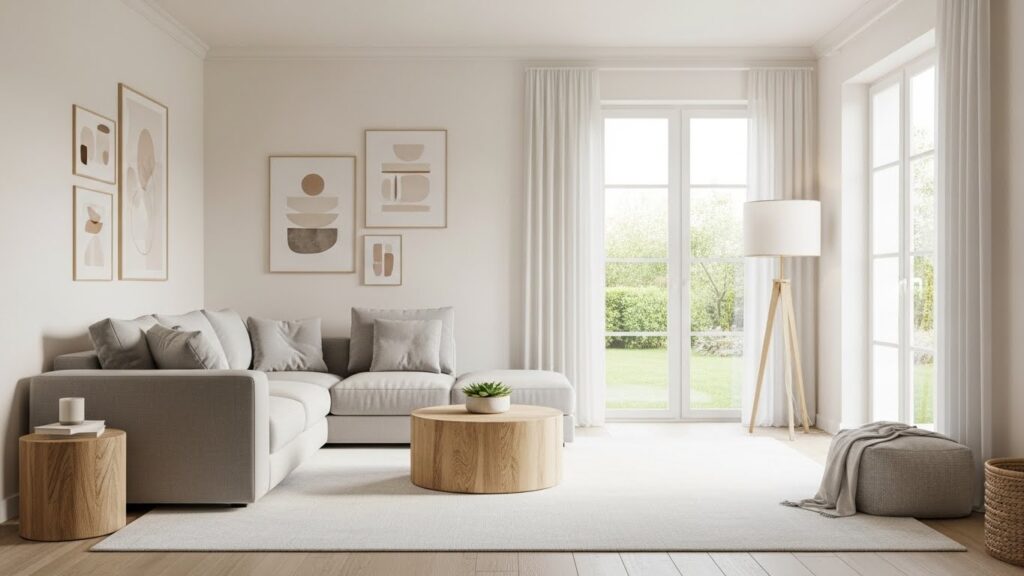
Minimalism is one of the most effective approaches for small living rooms because it reduces visual clutter and allows the space to feel calm and open. By limiting decorative elements and focusing on clean lines, the room naturally feels larger. A minimalist living room benefits from intentional furniture choices where each piece serves a clear purpose without overwhelming the layout.
Soft neutral colors such as off-white, warm beige, or pale gray enhance the sense of openness by reflecting light rather than absorbing it. Textures play an essential role here, as woven rugs, soft cushions, and light fabric curtains prevent the space from feeling cold or empty. The result is a living room that feels cozy yet uncluttered, ideal for relaxation.
2. Scandinavian Small Living Room Filled With Light
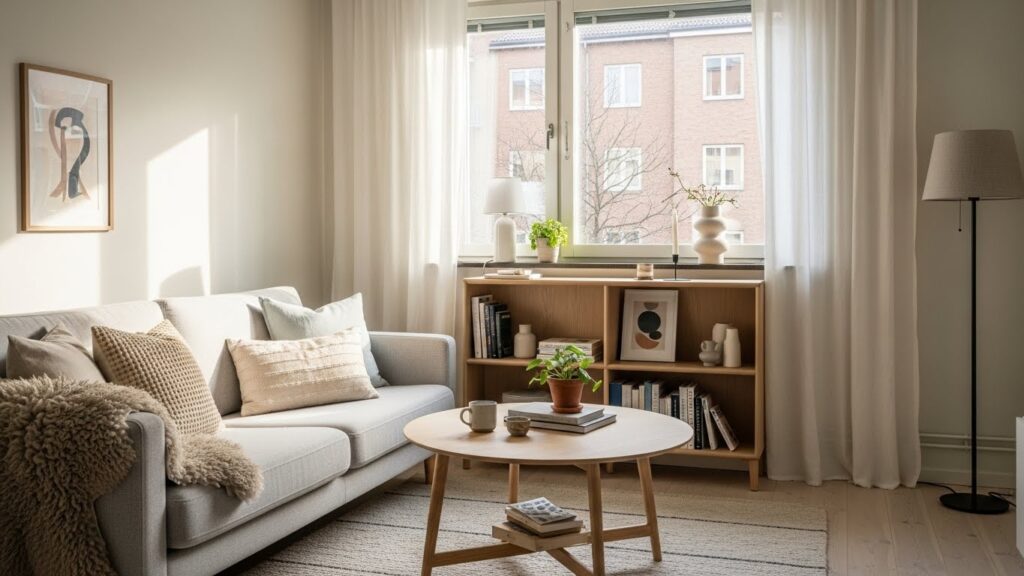
Scandinavian design is particularly suited for small living rooms because it prioritizes brightness, simplicity, and comfort. Large windows, sheer curtains, and reflective surfaces allow natural light to become a defining feature of the space. Even in rooms with limited sunlight, light wall colors help simulate an airy atmosphere.
Furniture in Scandinavian interiors often features slim legs and light wood finishes, which reduce visual weight and keep the room from feeling crowded. The overall look remains warm and inviting through the use of soft textiles, neutral tones, and subtle decorative accents that never overpower the space.
3. Bohemian Small Living Room With Rich Layers
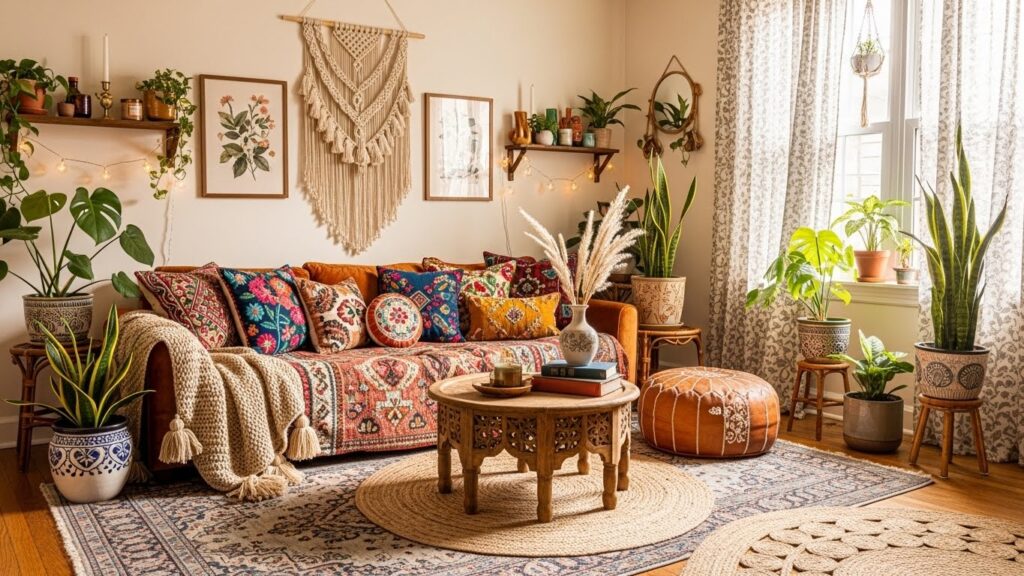
A bohemian living room proves that small spaces can still be expressive and full of character. Instead of relying on size, this style focuses on layering textures, colors, and personal objects to create depth. Rugs placed over one another, cushions in mixed fabrics, and throws draped casually over seating add warmth and visual interest.
Earth-inspired colors like muted greens, warm browns, and soft rust tones ground the room and make it feel welcoming. The key to keeping a bohemian small living room from feeling cluttered is balance. While the style encourages variety, spacing and thoughtful placement ensure the room still feels breathable.
4. Industrial Small Living Room With Modern Edge
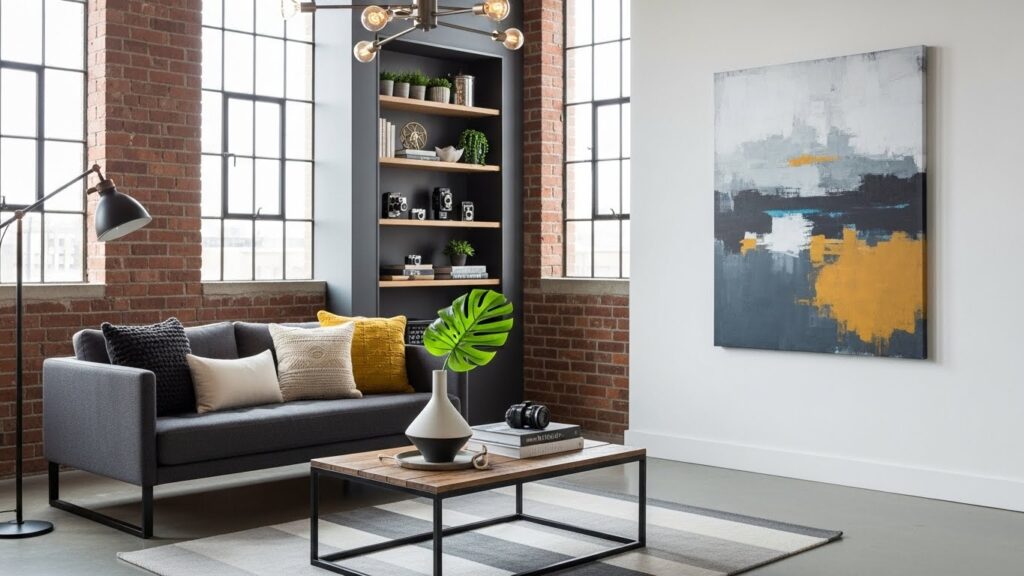
Industrial design works beautifully in small living rooms because it emphasizes raw materials and open layouts. Exposed brick walls, concrete textures, and metal accents add character without the need for excessive decor. These elements bring visual interest while keeping the room structurally simple.
Furniture in industrial spaces is often streamlined and practical, featuring open frames and neutral upholstery. This openness allows light to flow freely throughout the room, preventing it from feeling boxed in. Paired with warm lighting, the industrial style can feel both bold and surprisingly comfortable.
5. Rustic Small Living Room With Natural Warmth
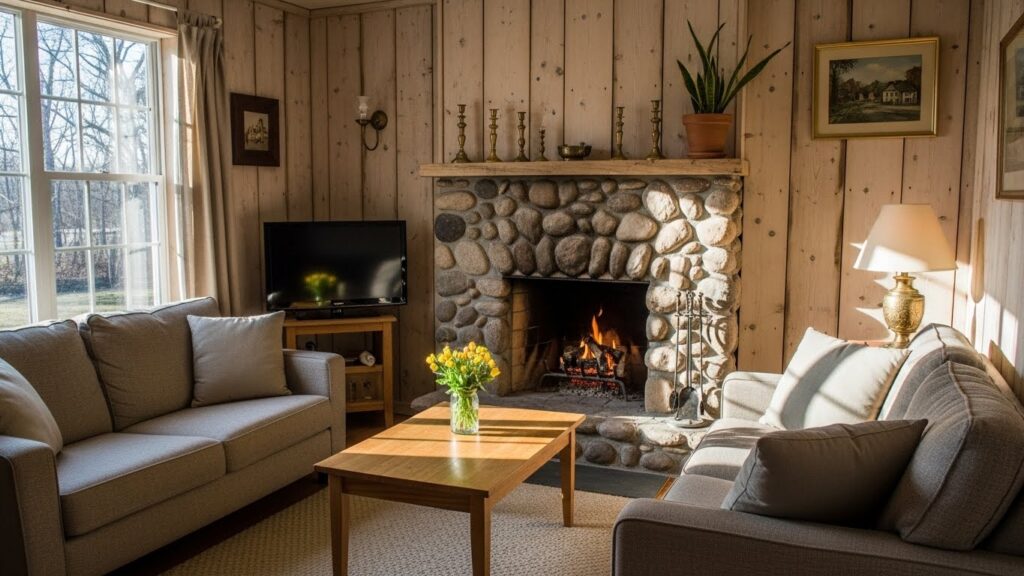
Rustic design introduces warmth and familiarity into small living rooms through the use of natural materials and earthy colors. Wooden furniture, woven textiles, and organic finishes create a sense of comfort that makes the space feel lived-in rather than tight.
Warm neutrals such as cream, tan, and soft brown create a soothing backdrop, while textured elements like knitted throws or jute rugs add depth. A rustic living room does not rely on size to feel inviting; instead, it uses warmth and authenticity to create a sense of home.
6. Modern Neutral Living Room With Elegant Simplicity
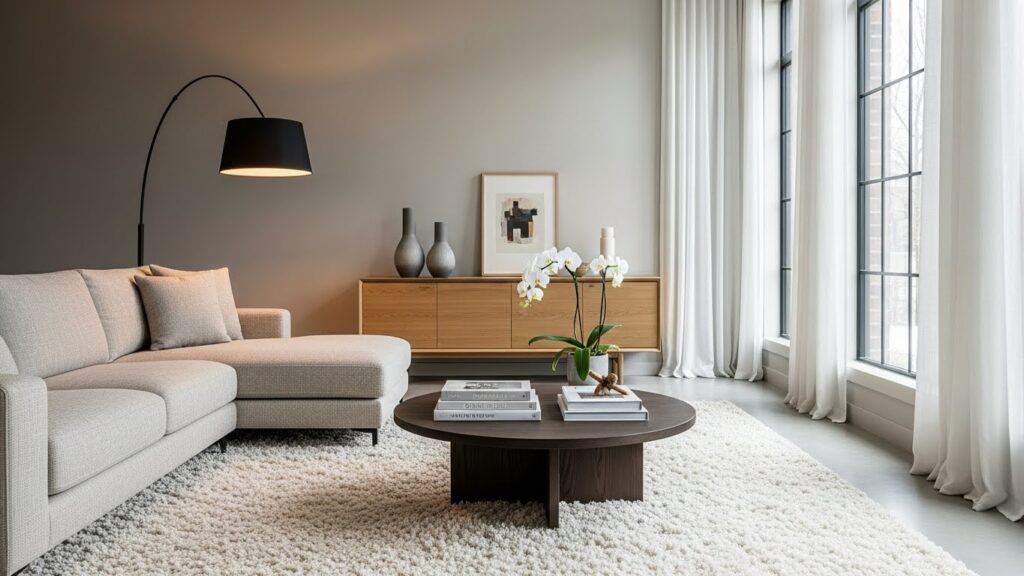
A modern neutral living room focuses on simplicity, proportion, and understated elegance. Neutral color palettes allow the eye to move smoothly across the space, making the room feel larger and more cohesive. Shades of beige, gray, and soft white provide a timeless foundation that adapts easily to changing decor.
Modern furniture designs prioritize clean silhouettes and functional forms. When paired with subtle textures and strategic lighting, the room maintains a polished look without appearing sterile. This approach works especially well for small living rooms that need to feel both practical and refined.
7. Colorful Eclectic Small Living Room With Personality
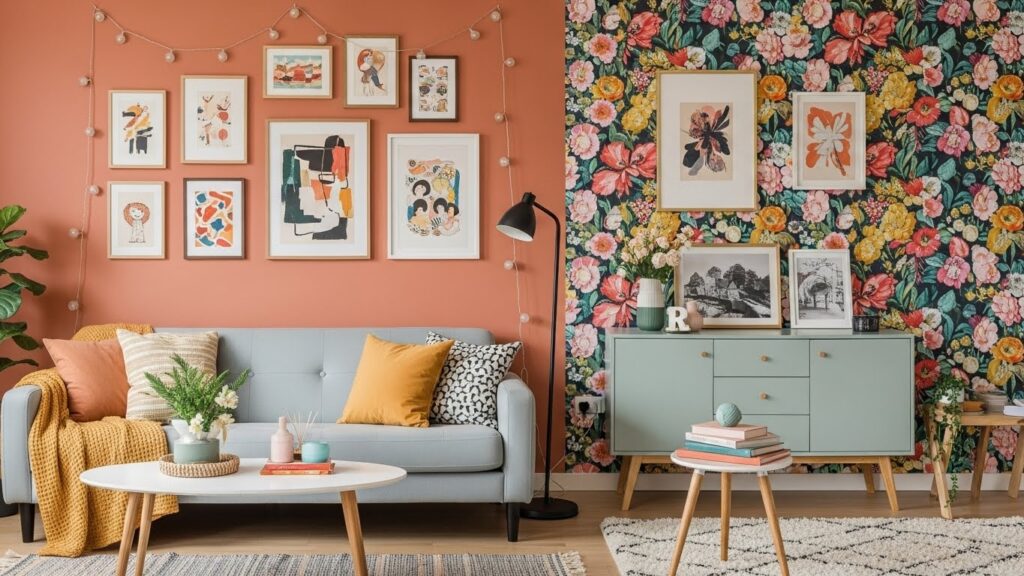
An eclectic living room allows homeowners to showcase personality without relying on square footage. In small spaces, color is best introduced through accents rather than overwhelming surfaces. A bold sofa, vibrant cushions, or statement artwork can define the room without crowding it.
The success of an eclectic small living room lies in cohesion. While colors and styles may vary, maintaining a consistent base palette helps unify the space. Thoughtful layering ensures the room feels energetic but not chaotic.
8. Vintage-Inspired Living Room With Timeless Charm
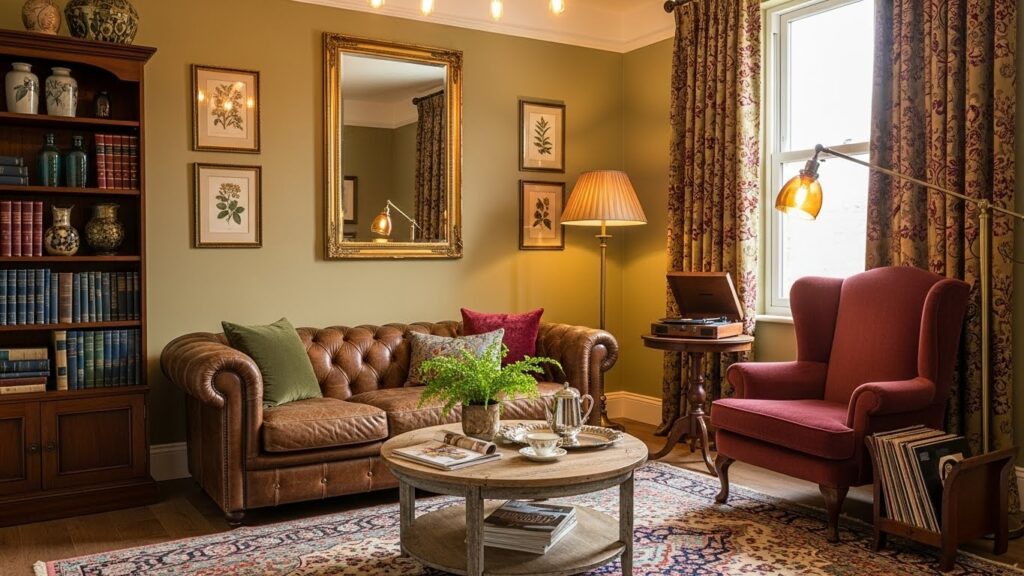
Vintage design brings history and charm into small living rooms through carefully selected furniture and decor. Soft color palettes and classic silhouettes create a sense of elegance that never feels outdated. Vintage pieces often have smaller proportions, making them ideal for compact spaces.
Decorative details such as patterned rugs, antique mirrors, and aged wood finishes add character without requiring excessive decoration. When balanced with modern comforts, a vintage-inspired living room feels cozy, refined, and deeply personal.
9. Soft Lighting That Enhances Small Living Rooms
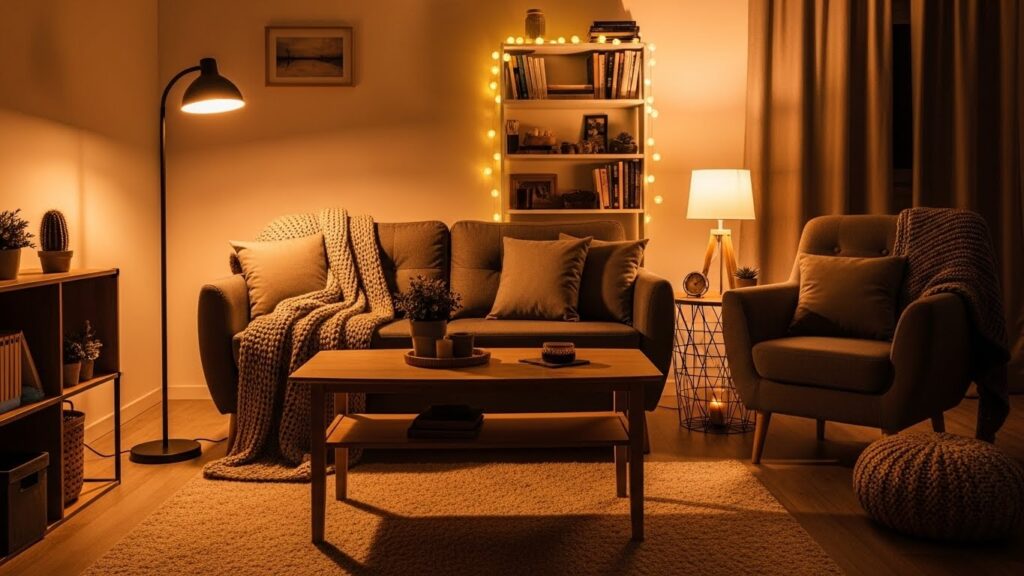
Lighting plays a critical role in how a small living room feels. Soft, layered lighting creates depth and warmth while eliminating harsh shadows that can make a room feel cramped. Combining ceiling lights with floor lamps and table lamps ensures even illumination.
Warm light tones enhance comfort and make the room feel inviting, especially during evenings. Wall-mounted lighting solutions are particularly effective in small living rooms, as they free up valuable floor space while adding ambiance.
10. Multi-Functional Furniture That Saves Space
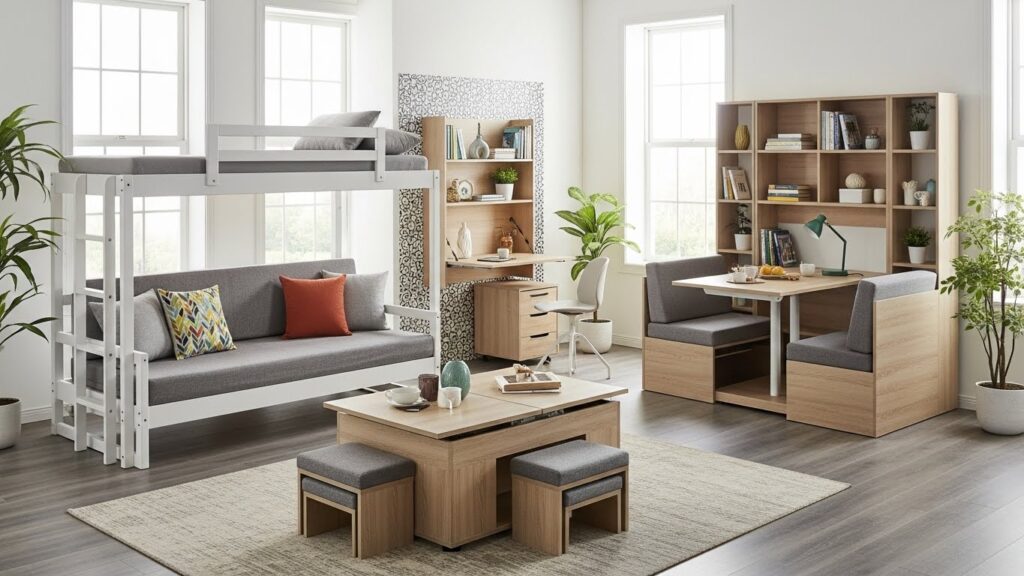
Small living rooms benefit greatly from furniture that serves multiple purposes. A storage coffee table can function as both a surface and an organizational solution, while ottomans provide seating and hidden storage.
These pieces reduce clutter by eliminating the need for additional furniture. When chosen thoughtfully, multi-functional furniture blends seamlessly into the design, allowing the room to remain stylish without feeling overcrowded.
11. Open-Concept Living Room Layouts for Small Homes
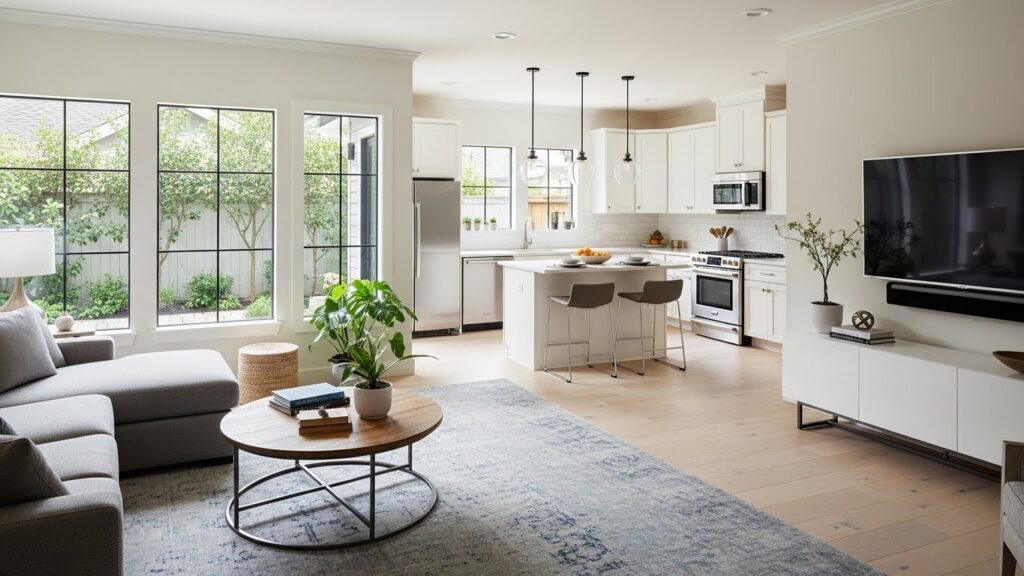
An open-concept approach helps small living rooms feel more expansive by removing unnecessary visual barriers. Furniture placement becomes key, as rugs and lighting are used to define areas rather than walls.
Floating furniture arrangements encourage better flow and create a sense of movement. This layout allows natural light to travel freely, enhancing the overall brightness and openness of the space.
12. Monochromatic Living Room With Visual Continuity
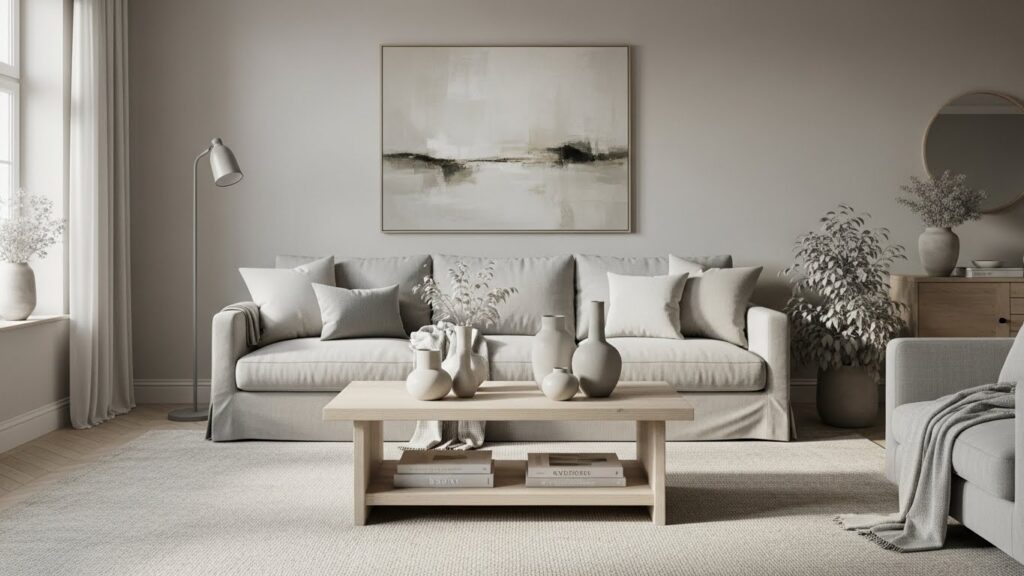
A monochromatic color scheme creates a seamless look that visually expands a small living room. By using varying shades of a single color, the space feels cohesive and balanced.
Texture becomes especially important in monochromatic rooms. Fabrics, finishes, and materials add dimension, preventing the space from feeling flat or monotonous.
13. Glamorous Small Living Room With Luxe Touches
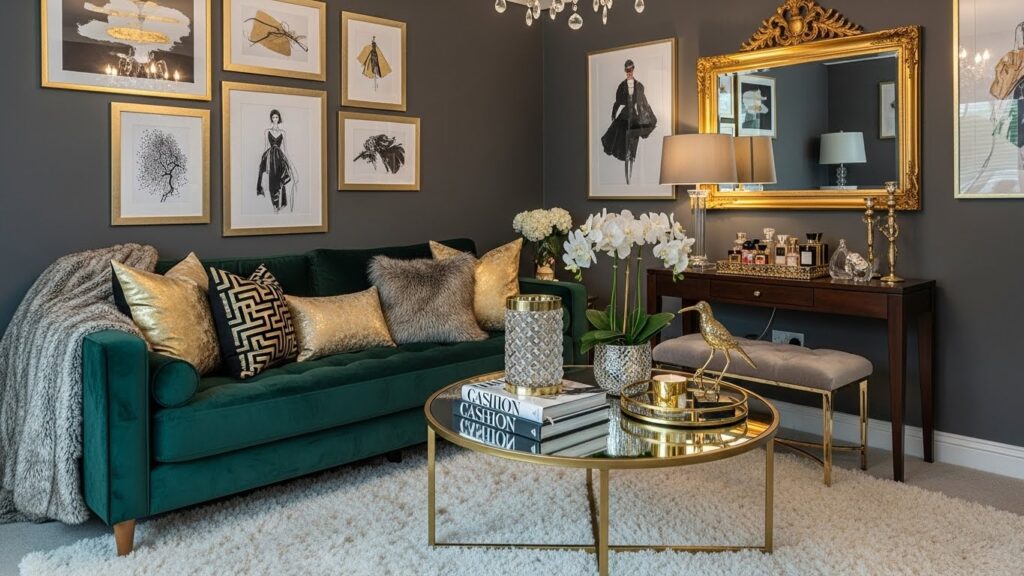
Glamour can exist even in the smallest living rooms when applied thoughtfully. Luxurious materials such as velvet, glass, and metallic accents add elegance without requiring excess decoration.
Mirrors enhance light and create the illusion of additional space, while statement lighting fixtures draw the eye upward. When balanced carefully, glamour elevates the room rather than overwhelming it.
14. Natural Minimalist Living Room With Greenery
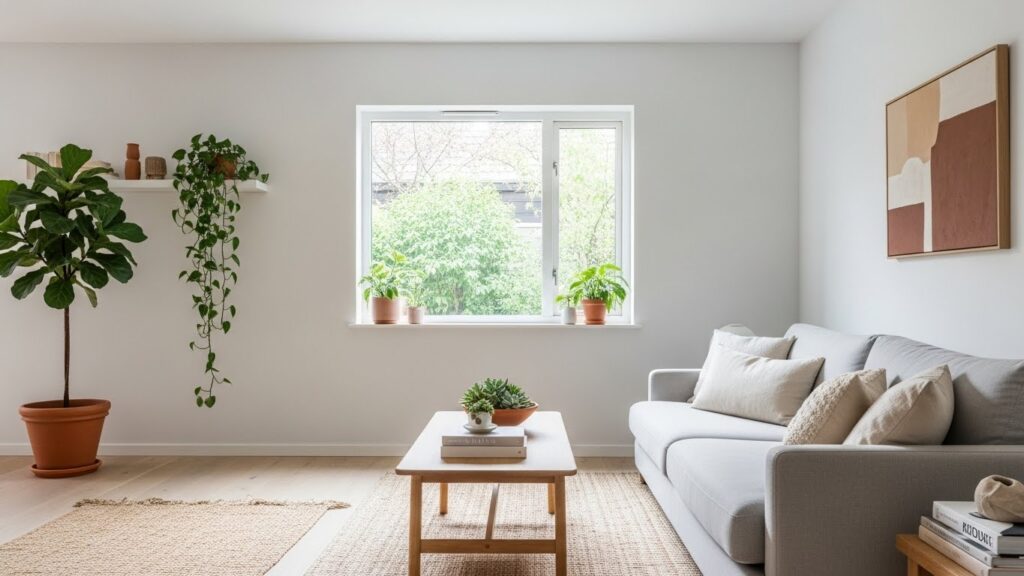
Incorporating plants into a minimalist small living room introduces life and softness. Indoor plants purify the air and add organic beauty without adding clutter.
Neutral backgrounds allow greenery to stand out, while simple planters maintain a clean aesthetic. This balance creates a calm, refreshing environment that feels connected to nature.
15. Urban Loft Living Room in Compact Spaces
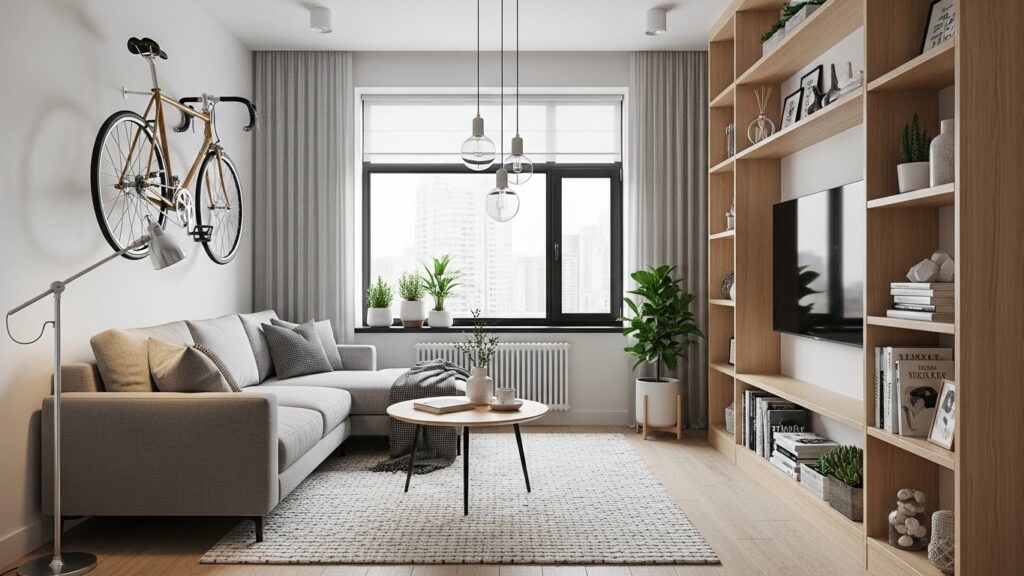
Urban loft style emphasizes openness, making it ideal for small living rooms. Industrial elements combined with modern furniture create a spacious, contemporary feel.
Neutral tones form the base, while bold accents add character. The focus remains on maintaining open sightlines and functional layouts that enhance movement and comfort.
16. Compact Sectional Sofas That Maximize Seating
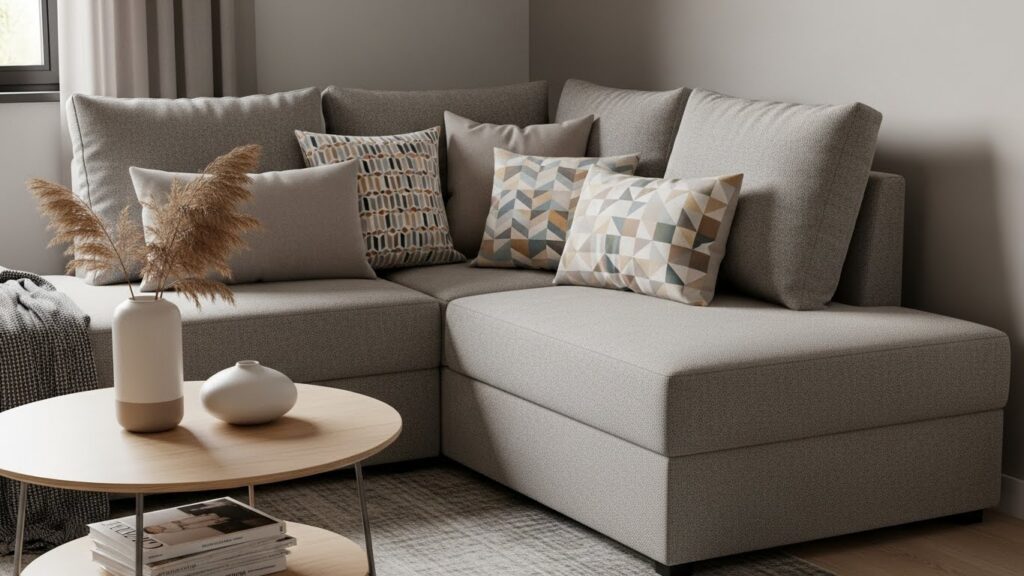
Sectional sofas designed for small spaces provide generous seating without dominating the room. Low-profile designs and slim arms reduce visual bulk.
Placed strategically, sectionals define the living area while maintaining flow. Their versatility makes them a popular choice for modern small living rooms.
17. Vertical Storage That Frees the Floor
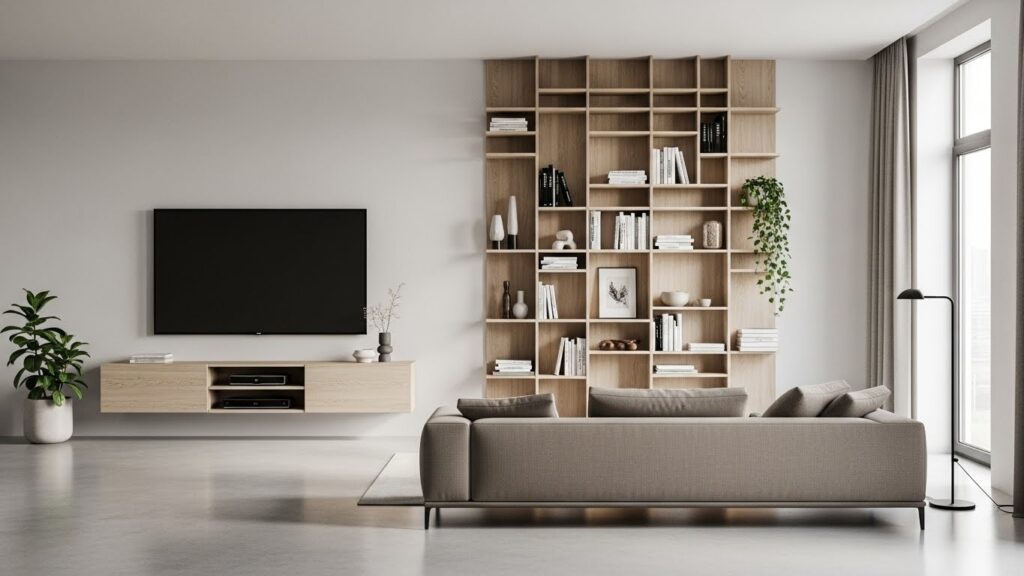
Vertical storage solutions make use of wall height rather than floor space. Tall shelving units and floating cabinets provide ample storage while keeping the room visually open.
By drawing the eye upward, vertical storage creates the illusion of higher ceilings, making the room feel more spacious and organized.
18. Mirrors That Visually Expand Small Living Rooms
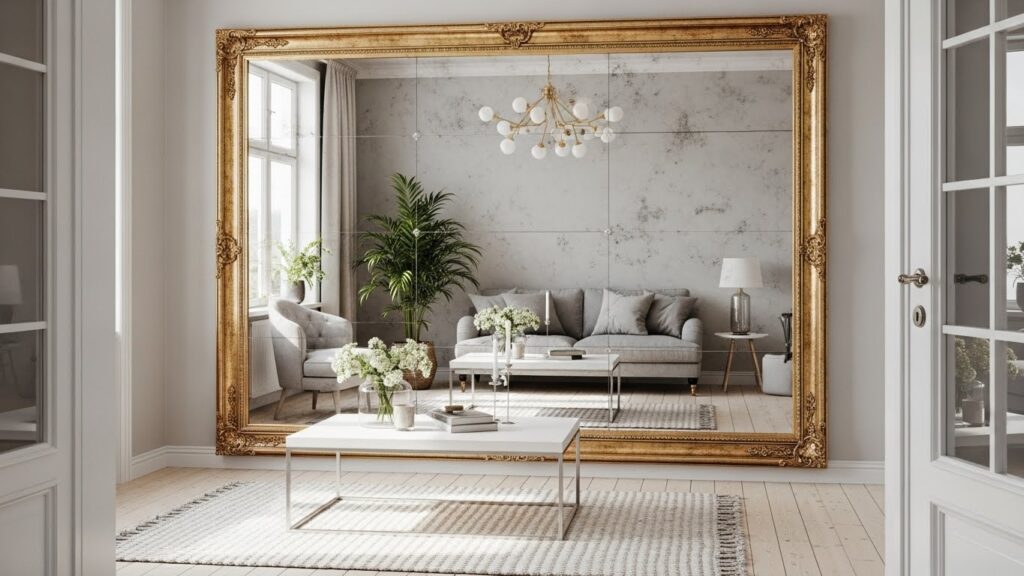
Mirrors are one of the most effective tools for enhancing small spaces. Positioned strategically, they reflect light and create depth.
Large mirrors work particularly well as focal points, while smaller mirrored accents add brightness without overwhelming the room.
19. Smart Layout Planning for Everyday Comfort
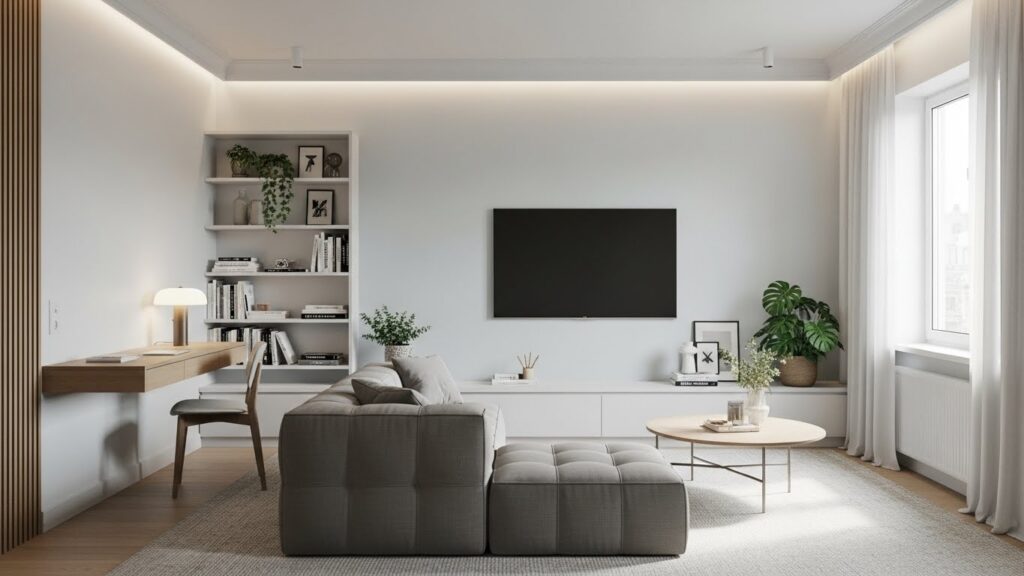
A well-planned layout ensures that a small living room feels comfortable and functional. Clear walkways and appropriately scaled furniture prevent the space from feeling cramped.
Designing around daily activities ensures the room supports real life rather than just aesthetics.
20. Personalizing Small Living Rooms Without Clutter
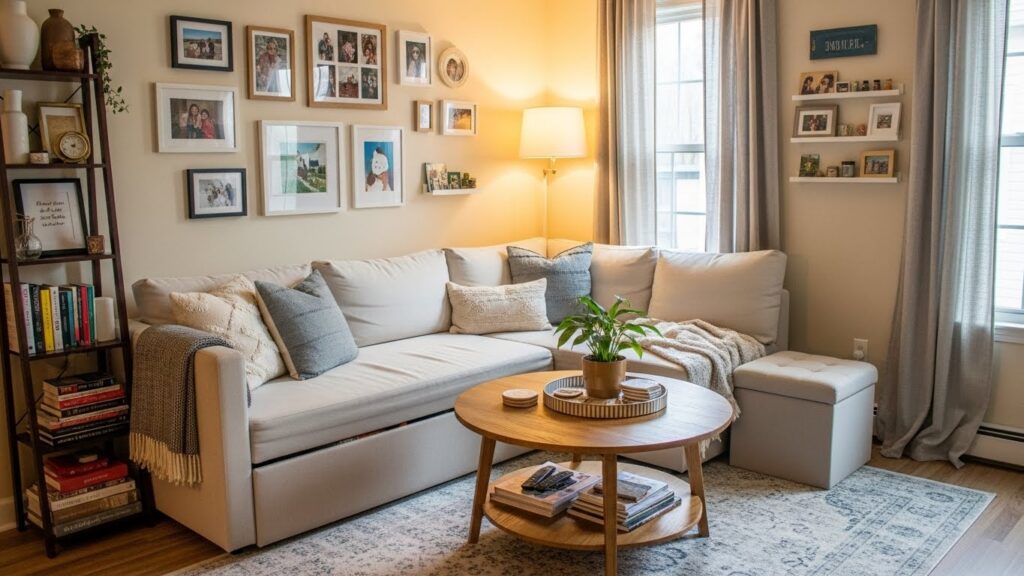
Personal touches make a small living room feel like home, but restraint is key. Selecting meaningful decor items rather than filling every surface maintains balance.
Rotating accessories seasonally keeps the space fresh without adding clutter. The result is a living room that feels personal, comfortable, and beautifully designed.